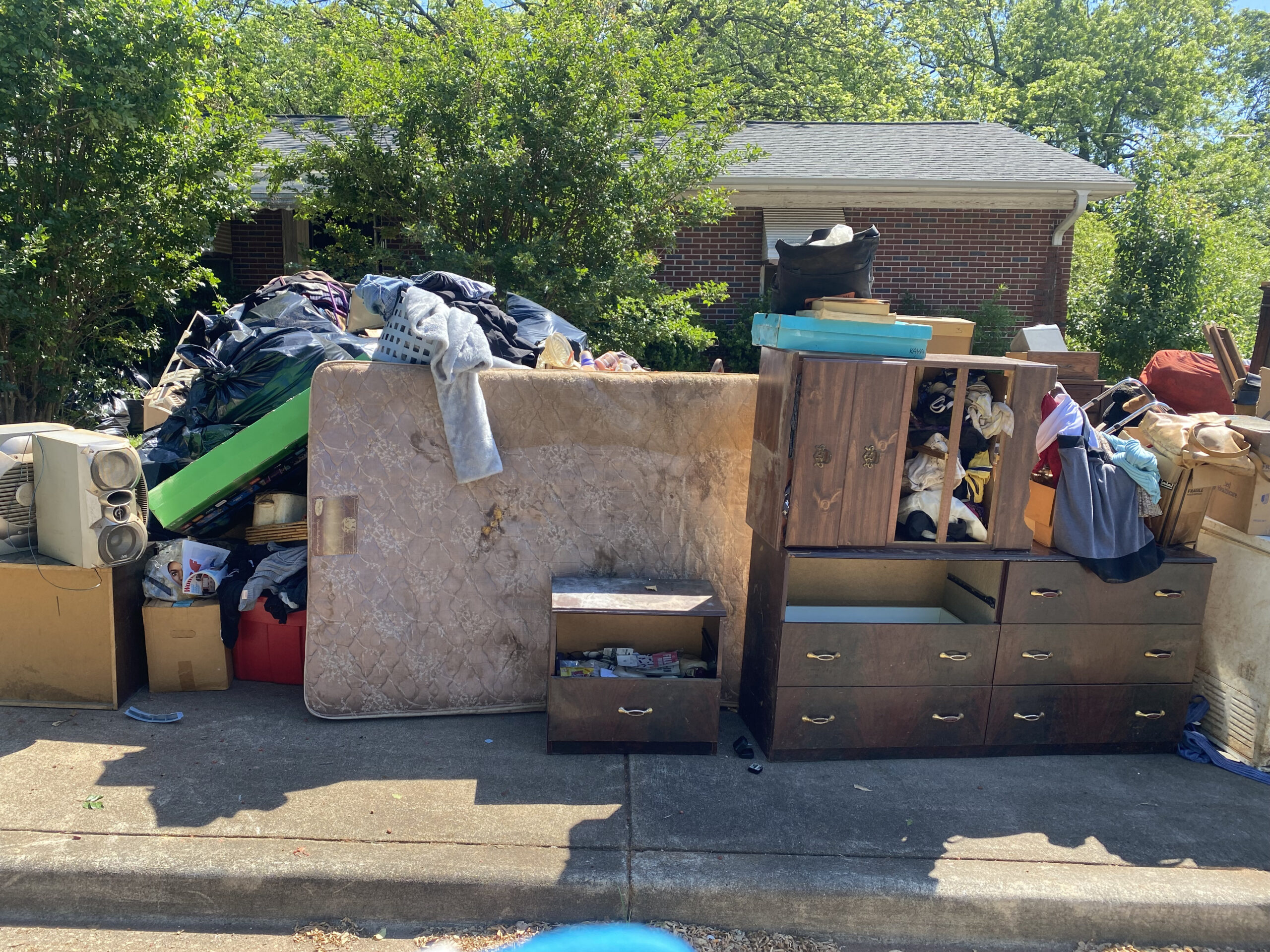
Renting a home in Spartanburg or Greenwood, South Carolina is an increasingly attractive option — and for good reason. The Upstate SC region has seen steady economic growth over the past decade, with a strengthening job market, excellent schools across multiple school districts, and a quality of life that consistently ranks it among the best places in the South for young adults and families alike. Whether you are relocating here from out of state, moving between spartanburg homes as your needs change, or renting for the first time, the local rental market offers real variety: from urban apartments near downtown Spartanburg to quieter residential properties in Greenwood County and the scenic towns surrounding Lake Bowen and Lake Craig.
But moving as a renter is a fundamentally different experience from moving as a homeowner. You are not just transporting your belongings — you are navigating lease agreements, coordinating with property managers, protecting your security deposit, and managing timelines that are often not entirely your own. Do it right and the transition is smooth. Miss a step and it can cost you money, time, or your deposit.
This comprehensive guide walks you through everything tenants need to know before, during, and after a move in the Spartanburg and Greenwood area — with local context, practical checklists, and the kind of straightforward advice that makes a complicated process manageable.
Part One: Before the Move — Setting Yourself Up for a Clean Departure
Understanding Your Lease Inside and Out
Before you begin packing a single box, pull out your lease and read it carefully. Many renters discover the details that matter most — notice periods, move-out cleaning requirements, and restrictions on wall repairs — only after they have already made decisions that violate them.
Key items to review in your lease before giving notice:
- Notice period: Most rental properties in South Carolina require 30 days written notice before vacating. Some longer-term leases require 60 days. Missing this window can result in additional charges or forfeiture of your security deposit.
- Early termination clauses: If you are breaking a lease before its end date, understand the penalties. In South Carolina, landlords are generally required to make reasonable efforts to re-rent the unit, which can limit your financial exposure — but only if you understand the process and document your communication.
- Move-out condition expectations: Many leases specify the condition in which the unit must be returned — professionally cleaned, walls repaired, carpets shampooed. Knowing these requirements before your move-out date gives you time to meet them without rushing.
- Rules around subletting and assignment: If you need temporary housing during a gap between rentals, some leases allow subletting under specific conditions. Confirm the terms before assuming it is an option.
If anything in your lease is unclear, the South Carolina Residential Landlord and Tenant Act provides a framework for tenant rights that your property managers are legally required to operate within. Federal law, including protections established by the United States Department of Housing and Urban Development, also prohibits discrimination on the basis of race, color, national origin, sex, disability, familial status, or religion in all rental housing transactions.
Giving Notice Properly
Written notice is always safer than a verbal conversation, regardless of how friendly your relationship with your landlord or property manager may be. Send your notice via email and follow up with a physical letter delivered in a way you can confirm receipt — certified mail, for example. Keep copies of everything. If a dispute arises later, your documentation is your protection.
In your notice, include your intended move-out date, a forwarding address for your security deposit return, and a request for a pre-move-out inspection. Many South Carolina landlords are willing to do a walkthrough with tenants before the official move-out date, which gives you the opportunity to address any issues before they become deductions.
Understanding the Rental Market in Spartanburg and Greenwood
The rental market in Spartanburg County has tightened considerably over the past decade, driven by economic growth, the expansion of major employers including Spartanburg Regional Healthcare System, and the growing appeal of the region to young professionals relocating from larger metros. The average cost of a one-bedroom rental in the Spartanburg area is still meaningfully below the national average, though it has risen alongside broader South Carolina average increases. Greenwood County generally offers more affordable options, making it an attractive destination for renters managing tighter budgets or prioritizing space over urban proximity.
If you are moving within the area rather than into it, give yourself more time than you think you need to find your next rental. Inventory in desirable neighborhoods — particularly those near Wofford College, Spartanburg Community College, and Spartanburg High School — moves quickly. Starting your search at least 60 days before your intended move-in date gives you meaningful flexibility.
Budgeting for Your Move as a Renter
Renters face a specific double-cost challenge that homeowners do not: you often need to fund your new security deposit before receiving your old one back. Planning for this overlap is essential. Factor in the following when building your moving budget:
- New security deposit (typically one to two months’ rent)
- First and last month’s rent if required by your new landlord
- Professional moving services or rental truck costs
- Utility connection fees and any required deposits for new service accounts
- Cleaning costs at your current unit to meet move-out requirements
- Any additional charges assessed by your current landlord during the final inspection
Renters with lower annual income who need assistance during a housing transition may also be eligible for supportive services through Spartanburg Housing, the local public housing authority, which administers a voucher program and direct services for qualifying low-income families. Their resident portal access and help center can connect tenants with resources for economic independence and temporary housing support during difficult transitions. The urban development and affordable housing programs operated through organizations like the nonprofit affiliate of spartanburg housing exist precisely to support residents navigating financial stress around housing transitions.
Timing Your Move Strategically
If your lease allows any flexibility in your move-out date, mid-month and mid-week moves have real advantages. Professional movers are typically less booked on those days, move-in costs at new properties are sometimes negotiable, and the logistics of coordinating elevators and parking in apartment buildings are simpler when fewer people are moving simultaneously. The perfect time to lock in your moving date is as soon as you have confirmed your new rental — availability at good moving companies fills up faster than most renters expect, particularly during the busy summer months.
Part Two: During the Move — Protecting Your Deposit and Your Belongings
Document Everything at Move-Out
On your final walkthrough of your current rental, photograph and video every room before you leave. Capture the condition of walls, floors, appliances, fixtures, and any areas where normal wear and tear is visible. Do this systematically — room by room, floor to ceiling — and time-stamp your documentation. If your landlord later claims damage that was pre-existing, your documentation is the only evidence that will hold up in a dispute.
Property managers in both Spartanburg and Greenwood vary significantly in how they conduct move-out inspections. Some are thorough and fair; others look for reasons to retain deposits. Your documentation is not a sign of distrust — it is standard practice that protects both parties.
Return Every Key, Fob, and Access Card
This sounds obvious, but it is one of the most common sources of additional charges at move-out. Replacement costs for key fobs, garage door openers, mailbox keys, and resident portal access cards can be significant — and landlords are legally allowed to deduct them from your deposit. Do a thorough sweep of your belongings before your final exit and confirm in writing with your property manager exactly what was returned and when.
Working with Professional Movers as a Renter
Hiring professional movers for a rental move involves a few considerations that are slightly different from an owner-to-owner relocation. First, confirm with your new property management whether there are building rules around move-in hours, elevator reservations, or required certificates of insurance from your moving company. Many apartment complexes and managed properties in the Spartanburg area have specific policies — arriving without that information on move day creates delays that are both stressful and avoidable.
Also discuss any long distance factors with your movers upfront if you are coming from another city or state. Long distance rental moves — particularly those arriving from larger cities or from beyond the foothills of the blue ridge mountains region — often involve coordination between your move-out timeline at the old location and move-in availability at the new one. A reputable moving team will help you think through those logistics and ensure there are no gaps in your plan.
Move with Ease serves tenants throughout the Spartanburg and Greenwood area with the same care we bring to every move — whether you are moving across town or across the state. Our friendly team understands the unique pressures of renting and is experienced in working within the scheduling constraints that property managers and building policies create.
Moving Into Your New Rental: Document Immediately on Arrival
The same documentation discipline you applied at move-out should be applied at move-in — ideally within the first 24 to 48 hours of taking possession of your new unit. Walk every room, photograph everything, and submit a written move-in condition report to your new landlord or property manager. Most standard lease agreements include a move-in checklist for exactly this purpose. If yours does not, create your own and request that your landlord sign it or acknowledge it in writing via email. This is the record that will protect your new deposit when you eventually move out.
Note the condition of walls, floors, appliances, window screens, bathroom fixtures, and any outdoor areas included in your rental. Pre-existing damage that is not documented becomes your financial responsibility when you leave — regardless of whether you caused it. This step takes 20 minutes and can save you hundreds of dollars.
Part Three: After the Move — Getting Settled and Getting Your Deposit Back
Your Security Deposit: Know the Timeline and the Rules
South Carolina law requires landlords to return a tenant’s security deposit — along with an itemized written statement of any deductions — within 30 days of the tenant vacating the property. If your landlord fails to do so without cause, they may forfeit the right to make any deductions at all.
If deductions are made that you believe are improper, document your objection in writing and keep a copy. South Carolina small claims court handles security deposit disputes efficiently, and tenants who have documented the move-out condition of their unit are well-positioned to recover wrongfully withheld funds. Business days matter here — track your timeline from the date you returned your keys, not from your lease end date.
Updating Your Address as a Renter
The administrative tasks after a move are identical for renters and homeowners, but renters sometimes underestimate how many accounts need updating. In addition to the standard post office change of address, update your address with:
- Your employer’s HR department (for tax documents and payroll)
- Your bank, credit union, and any investment accounts
- Your auto insurance provider (Spartanburg County and Greenwood County zip codes affect your rate)
- The South Carolina DMV, if your driver’s license address needs updating
- Your voter registration — South Carolina allows online updates through the Secretary of State’s website
- Any government benefit accounts, including social security or state assistance programs
- Subscription services, online retailers, and your mobile phones carrier
Exploring Your New Community in Spartanburg or Greenwood
One of the most underrated parts of any move is giving yourself permission to enjoy where you have landed. Spartanburg and Greenwood both offer more than most new residents expect. The region’s active lifestyle culture is well-supported: Croft State Park offers miles of trails, equestrian paths, and lakeside areas ideal for outdoor activities year-round. Lake Bowen and Lake Craig are beloved by local boaters, kayakers, and weekend fishers. The Chapman Cultural Center in Spartanburg and the Spartanburg Little Theatre anchor a vibrant performing arts scene, and the city’s international festival tradition reflects the genuinely diverse and welcoming character of the community.
The area also has a well-established college town energy, anchored by Wofford College and Spartanburg Community College, that keeps cultural programming and community events active throughout the academic year. Public transportation options within the city are expanding, and the Greenville-Spartanburg International Airport makes the region accessible for those who travel frequently for work or family. Average commute time within Spartanburg County remains well below the national average — another quality-of-life advantage that residents coming from larger cities genuinely appreciate.
Resources for Renters in Spartanburg and Greenwood
If you encounter challenges after your move — whether that involves a dispute with a landlord, a need for supportive services, or questions about tenant rights — the following local and federal resources are worth knowing:
- Spartanburg Housing Authority: Administers the voucher program and supportive housing services for qualifying low-income families in Spartanburg County. Their resident councils and supportive services teams can connect renters with direct services for housing stability and economic independence.
- South Carolina Legal Services: Provides free civil legal assistance to qualifying residents, including help with landlord-tenant disputes, lease issues, and security deposit recovery.
- United States Department of Housing and Urban Development (HUD): Oversees federal fair housing law and provides tenant protections against discrimination on the basis of national origin, race, and other protected characteristics. HUD also funds supportive programs and urban development initiatives that benefit renters in the Spartanburg area.
- SC Housing: South Carolina’s state housing finance and development authority, which administers programs including down payment assistance, affordable housing development, and resources for renters working toward economic independence and eventual homeownership.
- Spartanburg County Community Services: Connects residents with a range of social and family services, including summer day camps for children, assistance programs for young adults, and referrals to housing support resources across the county.
Moving as a Renter in Upstate SC? Move with Ease Is Ready to Help.
Renting comes with its own set of pressures — lease timelines, deposit logistics, property manager requirements, and the need to stay organized across two properties at once. At Move with Ease, our friendly team has helped hundreds of renters across the Spartanburg and Greenwood area navigate every stage of the moving process with confidence. Whether you need full-service moving, labor-only loading and unloading, or help with a long distance relocation into Upstate SC, we bring the care, experience, and customer service that tenants deserve.
Get in touch through our contact form or give us a call for a free quote. We are proud to serve the Spartanburg and Greenwood communities — and we would be glad to make your next rental move your smoothest one yet.