Heavy furniture and beautiful floors do not always get along. If you have ever dragged a dresser across a room and heard that awful scraping sound, you already know how quickly deep scratches can happen. Many homes across Spartanburg and Greenwood have gorgeous hardwood floors, and a single careless push can leave marks that cost far more to fix than the move itself.
This comprehensive guide walks you through simple steps, the right tools, and the safest way to move heavy items so your new house, and the one you are leaving behind, stay in great shape.
Why Floors and Walls Get Damaged During a Move
Most damage comes from a few predictable mistakes. People slide heavy objects instead of lifting them, skip protective measures, or underestimate how much force a heavy load puts on a small contact point. Furniture legs concentrate weight on tiny areas, and hard surfaces like tile, laminate, and wood flooring have very little give. Add sharp edges, tight turns, and a crowded hallway, and walls and door frames are at risk too.
The good news is that a little preparation prevents nearly all of it. Careful preparation takes only a few extra minutes, yet it makes a big difference in the final result and helps you avoid expensive repairs.
Gather the Right Tools and Supplies First
Before you lift furniture, collect the right supplies. Most are inexpensive and available at local hardware stores in the Spartanburg and Greenwood area:
- Furniture sliders: Plastic sliders work best on carpet, while softer felt-backed sliders protect hardwood floors. Choose the right slider for your floor type.
- Furniture pads and small pads: Place them under furniture legs for an easy way to prevent scratches during short moves.
- A moving blanket or thick blanket: Wrap wooden furniture to protect finishes and corners from sharp edges.
- Bubble wrap and stretch wrap: Secure drawers, doors, and detachable shelves, and add an extra layer of protection to delicate finishes.
- A hand truck or furniture dolly: Either one takes the strain off your back when you move bulky items and heavy pieces.
- Area rugs or floor runners: Lay them along your route to guard flat surfaces.
Having the right equipment is one of the most effective ways to protect your home. It is always a good idea to buy or borrow supplies before moving day rather than improvising in the middle of the moving process.
Prepare the Path Before You Lift Anything
A clear route is half the battle. Start by walking from the furniture’s starting point to the moving truck, and measure doorways, hallways, and stairwells. Compare those numbers to the largest pieces of furniture you own. If something will not fit through a tight doorway, plan to remove the door or take the piece apart.
Next, wipe down the clean floor along your route. Grit and dust act like sandpaper under heavy objects. Remove loose items, roll up area rugs that could cause a trip, and protect the door threshold with a folded blanket or a piece of cardboard. Wrap exposed door frames and corners with padding.
Moving Different Types of Heavy Furniture
Each kind of furniture calls for a slightly different approach. Here are the most common situations and the right way to handle them:
- Heavy dresser: Empty every drawer first and remove the drawers entirely. Wrap the body in a moving blanket, tilt it gently, and place sliders under the legs of the furniture. Never lift furniture by the top or by a single leg.
- Bed frames: Disassemble them completely. Keep bolts in a labeled bag, and wrap the rails and headboard in a thick blanket to prevent dents in the wall.
- Coffee tables and table legs: Remove table legs when possible, wrap them separately, and carry the top flat. Glass tops need extra padding and a firm stretch wrap.
- Wood furniture and wooden furniture: Avoid plastic wrap directly on the finish, because it can trap moisture. Use a blanket first, then secure it with stretch wrap.
- Grand piano: This is not a do-it-yourself project. A grand piano requires specialized skids and trained handlers, so call professional movers.
For any large pieces, use at least two people, bend your knees, and keep the load close to your body. Asking family members to help can speed things up, but make sure everyone knows the plan before anyone lifts. Taking an extra few minutes to talk through each step prevents mistakes and injuries.
Navigating Tight Spaces and Tight Turns
Tight spaces are where most walls get scuffed. Tilt long items on their end, pivot slowly, and have a spotter call out clearance at every corner. If a sofa will not clear a tight doorway, remove the legs or detach the back before forcing it. Forcing a single piece through an opening is the fastest way to a costly repair and a lot of trouble.
On stairs, always keep the heavier end below. A furniture dolly with straps helps control a heavy load, but never rely on strength alone. If the stairwell has a sharp turn, consider lifting over the railing or asking a professional moving company for help.
When to Call a Professional Moving Company
Some jobs are simply too risky to handle alone. If you are managing a long-distance move, a house full of heavy pieces, or a single piece that weighs several hundred pounds, hiring professional movers is the right call. Experienced crews bring the right equipment, know how to handle heavy lifting safely, and carry insurance if something goes wrong. The cost of hiring help is often far lower than the cost of damaged floors, a cracked door frame, or a strained back.
Move Heavy Furniture with Ease
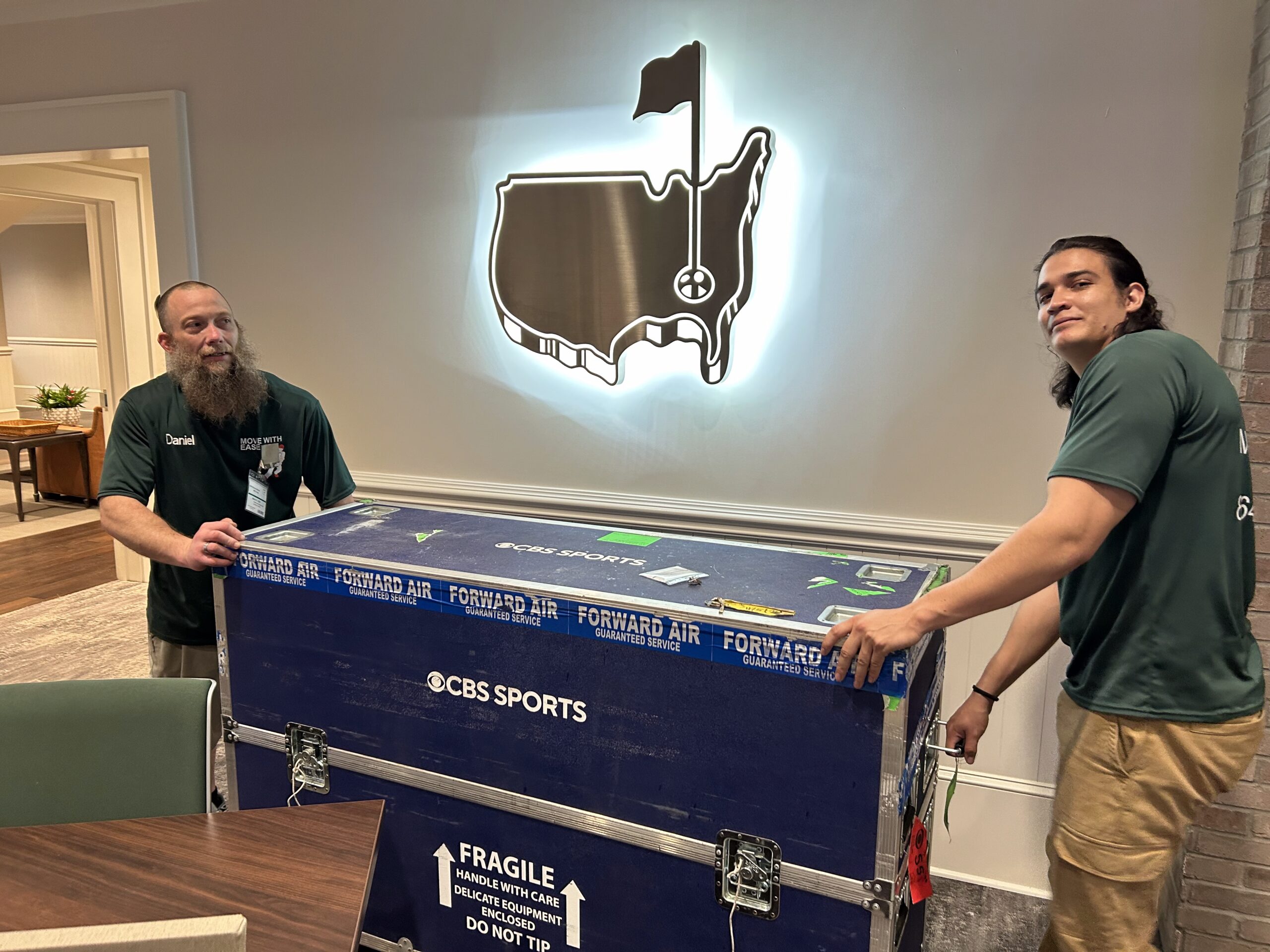
At Move with Ease, we move heavy furniture across Spartanburg, Greenwood, and the surrounding Upstate every week. Our team uses furniture pads, blankets, and proper techniques to protect your floors, your walls, and your belongings from the first lift to the final steps in your new location. Contact us through our website for a free quote, and let us handle the heavy part.